Pender History
This is the description.

This is the description.
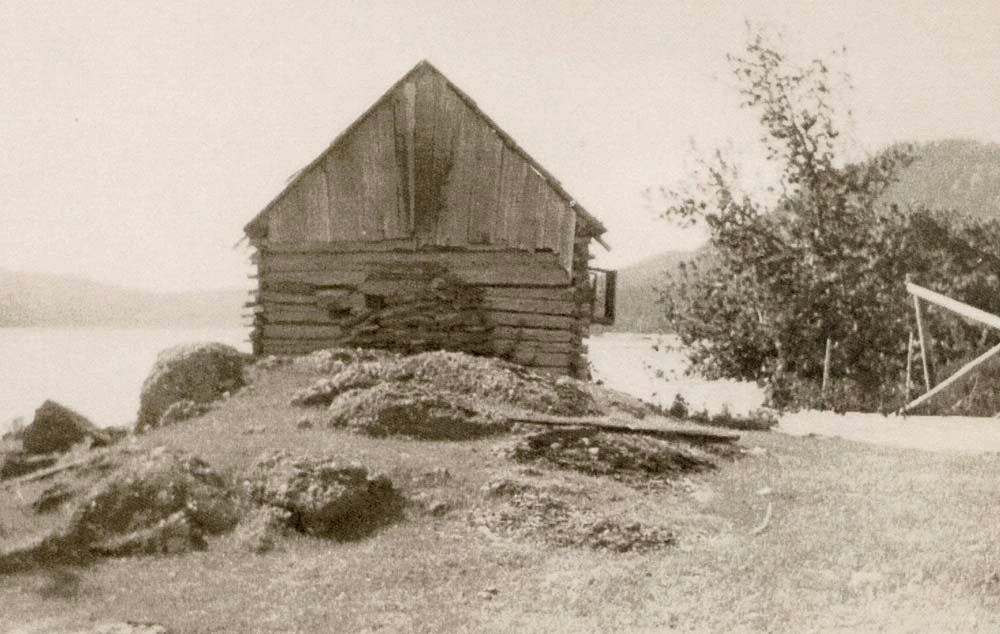
The Pender Islands, North and South Pender, are nestled in the Southern Gulf Islands of British Columbia, Canada. The Penders are located midway between Metro Vancouver and Vancouver Island, in the heart of the Salish Sea. Their rich history spans thousands of years, from Indigenous stewardship to early European settlement and the development of industries that shaped the community.
The islands have been home to Coast Salish peoples since time immemorial. Known traditionally as S, DÁYES, the Pender Islands are part of the territories of the W̱SÁNEĆ First Nations. Archaeological sites dating back thousands of years, including shell middens and village remains, reflect a deep connection to the land and waters, with generations relying on fishing, hunting and gathering.
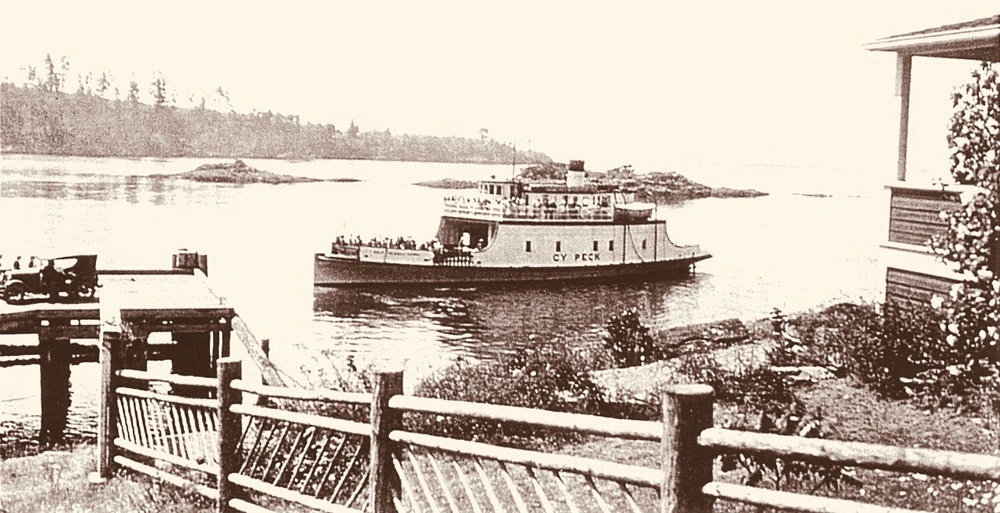
1903 – A canal was dredged between North and South Pender Islands to facilitate safer boat travel and regular marine service by the SS Iroquois.
Early 1900s – Steamships regularly docked at Port Washington, Hope Bay, and Bedwell Harbour, carrying passengers, mail, and supplies.
1955 – A single-lane bridge was built over the canal, along with related road expansions, linking the islands once again.
1965 – The Otter Bay ferry terminal opened, providing regular ferry service and supporting further growth.
Before these developments, travel between the islands was largely by canoe or small boat, with Indigenous portage routes and early settler rowboats facilitating movement, mail delivery, and trade.
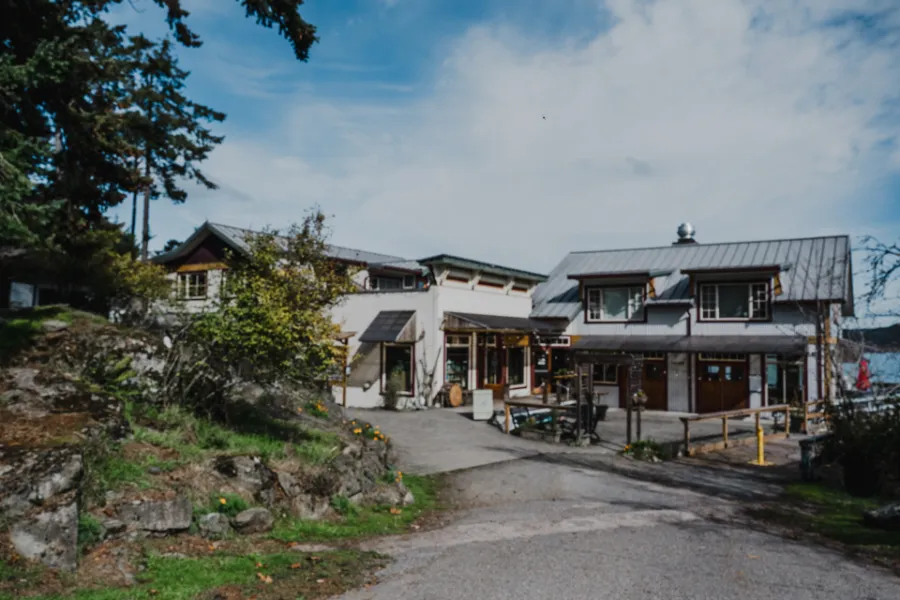
Resource extraction is no longer a driving factor in the Pender Islands’ economy. While farming is still actively practiced, tourism has become the mainstay. The Penders are a popular getaway for visitors from the Lower Mainland and Vancouver Island, attracting boaters, kayakers, disc golfers, land-based whale watchers, cycling groups, day trippers, and couples seeking an idyllic location for a destination wedding or special event.
The development of the Magic Lake Estates subdivision in the late 1960s and 70s dramatically changed the island economy, increasing the population and contributing to the creation of the Islands Trust. Today, Pender is predominantly a retirement community, with much of the local economy focused on providing services for residents. Retirees play an active role in island life, volunteering with non-profits and contributing to the social fabric of the community.
The islands also boast a vibrant arts and culture scene, with galleries, performances, and community events celebrating local artists and craftspeople—enriching both the visitor experience and everyday life for residents.
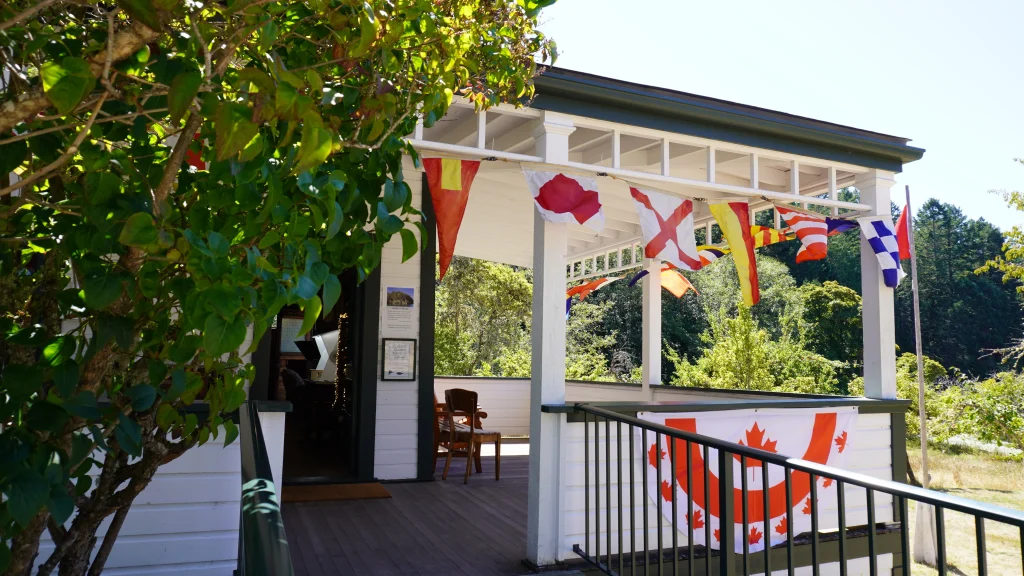
Today, the Penders celebrate both their Indigenous and settler histories. To learn more, visit the Pender Islands Museum or explore their website.